

Master the Art of Espresso: Barista Training Tips
- Skill Start- Training & Employ

- Jul 14, 2025
- 4 min read
Espresso is more than just a drink; it is a craft. For many, the perfect cup of espresso is a daily ritual, a moment of joy, and a source of energy. If you are looking to master the art of espresso, whether for personal enjoyment or as a professional barista, you are in the right place. This guide will provide you with essential tips and techniques to elevate your espresso-making skills.
Espresso is a concentrated coffee beverage brewed by forcing hot water through finely-ground coffee. The result is a rich, bold flavor that serves as the foundation for many popular coffee drinks. Understanding the nuances of espresso preparation can transform your coffee experience.
Understanding Espresso Basics
Before diving into the techniques, it is crucial to understand the basics of espresso. Here are some key points to consider:
Coffee Beans: The type of beans you use significantly affects the flavor. Arabica beans are known for their sweetness and complexity, while Robusta beans offer a stronger, more bitter taste.
Grind Size: The grind size for espresso should be fine, similar to table salt. A consistent grind size ensures even extraction.
Water Temperature: The ideal water temperature for brewing espresso is between 190°F and 205°F. Too hot or too cold water can lead to undesirable flavors.
Pressure: Espresso is brewed under high pressure, typically around 9 bars. This pressure is essential for extracting the rich flavors and creating the signature crema.
Essential Equipment
To make great espresso, you need the right equipment. Here are the must-haves:
Espresso Machine: Invest in a quality espresso machine. Look for one with a good reputation and features that suit your needs.
Coffee Grinder: A burr grinder is preferred over a blade grinder. Burr grinders provide a consistent grind size, which is crucial for espresso.
Tamper: A good tamper helps you compress the coffee grounds evenly in the portafilter.
Scale: A digital scale allows you to measure coffee and water accurately, ensuring consistency in your brews.
Milk Frother: If you plan to make lattes or cappuccinos, a milk frother is essential for creating creamy, textured milk.
The Perfect Espresso Shot
Now that you have the basics down, let’s focus on how to pull the perfect espresso shot. Follow these steps:
Measure Your Coffee: Use a scale to measure about 18-20 grams of coffee for a double shot.
Grind the Coffee: Grind the coffee to a fine consistency.
Tamp the Grounds: Place the coffee in the portafilter and tamp it down evenly with firm pressure.
Preheat the Machine: Ensure your espresso machine is preheated.
Brew: Lock the portafilter into the machine and start the brew. Aim for a brew time of 25-30 seconds for a double shot.
Observe the Crema: A good shot of espresso will have a rich, golden crema on top.
Taste: Take a moment to savor the flavors. A well-extracted shot should be balanced, with sweetness, acidity, and bitterness.
Common Mistakes to Avoid
Even experienced baristas can make mistakes. Here are some common pitfalls to watch out for:
Inconsistent Grind Size: This can lead to uneven extraction. Always aim for a uniform grind.
Over or Under Tamping: Too much pressure can lead to bitter flavors, while too little can result in weak espresso.
Incorrect Water Temperature: If the water is too hot, it can scorch the coffee. If it is too cold, it will under-extract.
Ignoring Cleanliness: Regularly clean your equipment to avoid stale flavors. Coffee oils can build up and affect the taste.
Milk Texturing Techniques
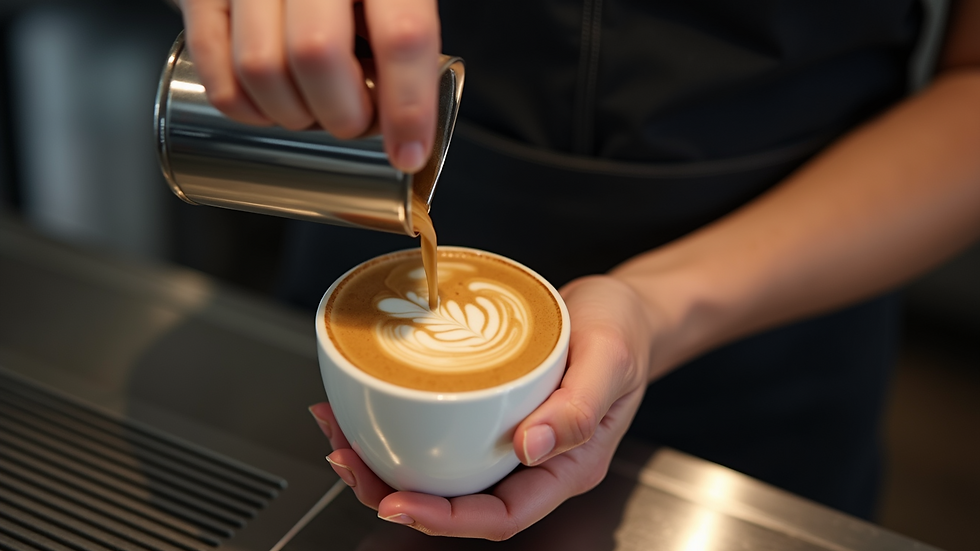
If you want to create espresso-based drinks like lattes or cappuccinos, mastering milk texturing is essential. Here are some tips:
Choose the Right Milk: Whole milk froths well due to its fat content. Non-dairy alternatives can also work, but may require different techniques.
Steam Wand Positioning: Position the steam wand just below the surface of the milk to create froth.
Angle the Pitcher: Tilt the milk pitcher slightly to create a whirlpool effect. This helps incorporate air into the milk.
Monitor Temperature: Aim for a milk temperature of around 150°F. Use a thermometer to ensure you do not overheat the milk.
Practice: Texturing milk takes practice. Don’t be discouraged if it doesn’t turn out perfect at first.
Experimenting with Flavors
Once you have mastered the basics, it is time to experiment with flavors. Here are some ideas:
Syrups: Add flavored syrups like vanilla, caramel, or hazelnut to your espresso for a sweet twist.
Spices: A sprinkle of cinnamon or nutmeg can enhance the flavor profile of your drink.
Chocolate: Incorporate cocoa powder or chocolate syrup for a mocha-inspired beverage.
Alternative Milks: Try oat milk, almond milk, or coconut milk for different flavor experiences.
Building Your Barista Skills
Becoming a skilled barista takes time and practice. Here are some tips to help you along the way:
Take a Class: Consider enrolling in a barista training course. Hands-on experience can be invaluable.
Practice Regularly: The more you practice, the better you will become. Make espresso for friends and family to hone your skills.
Join a Community: Engage with other coffee enthusiasts. Online forums and local coffee shops can provide support and inspiration.
Stay Updated: The coffee industry is always evolving. Keep up with trends and new techniques by reading blogs, watching videos, and attending workshops.
The Joy of Espresso
Mastering the art of espresso is a rewarding journey. Each cup you brew is an opportunity to express your creativity and passion for coffee. As you refine your skills, you will discover the joy of sharing your creations with others.
Espresso is not just about the drink; it is about the experience. From the aroma of freshly ground coffee to the satisfaction of pulling the perfect shot, every step is part of the process.

As you continue to explore the world of espresso, remember that practice makes perfect. Embrace the learning process, and don’t be afraid to make mistakes. Each error is a lesson that brings you closer to mastery.
In the end, the art of espresso is about more than just technique. It is about passion, creativity, and the joy of sharing a great cup of coffee with others. So grab your equipment, start brewing, and enjoy the journey to becoming a skilled barista.

Comments